2201 Newnan Crossing Blvd Suite 202 Newnan, GA 30265


Gum Disease Treatment in Newnan, GA
If your dentist has recommended gum disease treatment, you may feel nervous about what comes next. Understanding what happens during your gum disease treatment — a step-by-step guide Newnan patients can rely on — helps ease that worry. At Bespoke Dental Newnan, Dr. Cindy Rask and her team walk every patient through the process with care. You deserve to feel informed and comfortable before your first appointment.
Gum disease affects millions of Americans. Left untreated, it can lead to tooth loss and broader health concerns. The good news is that modern periodontal care is more comfortable than ever. This guide explains each stage of treatment so you know exactly what to expect.
Step One: Comprehensive Gum Evaluation in Newnan
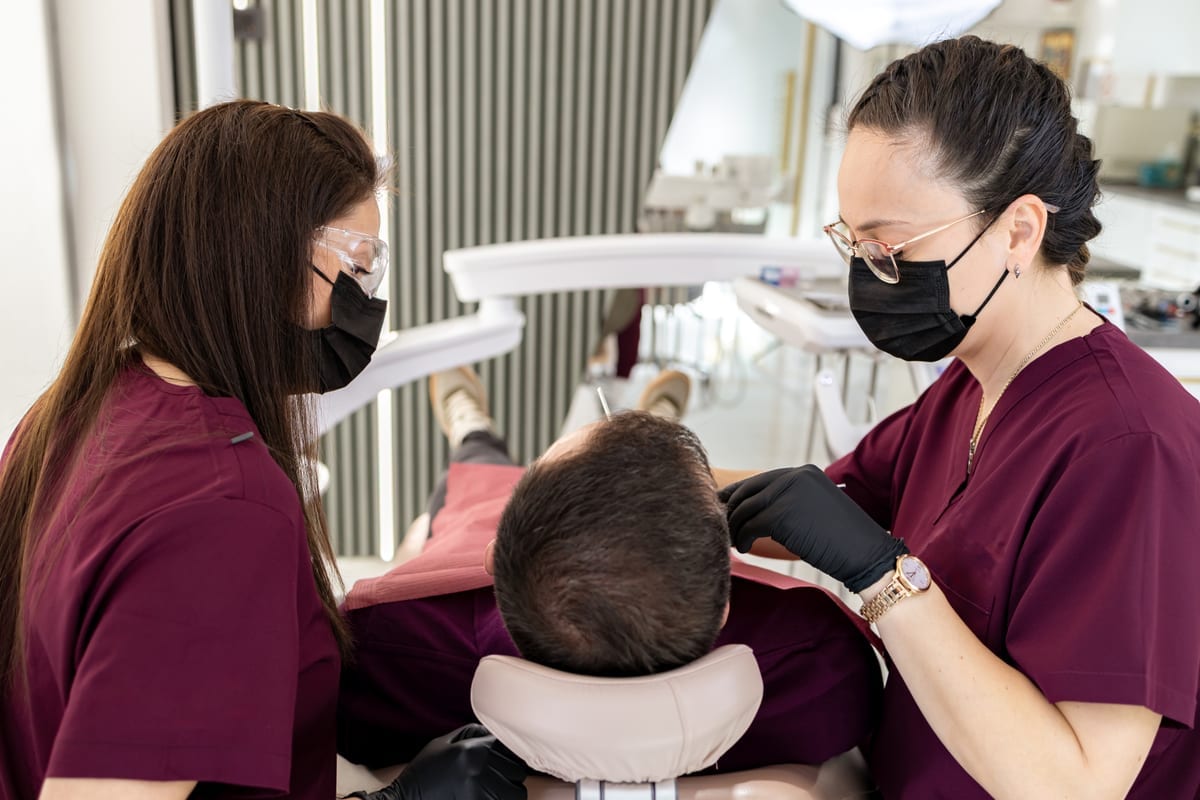
Every effective gum disease treatment begins with a thorough evaluation. Dr. Rask examines your gums, teeth, and bone structure carefully. She uses a small probe to measure the depth of the pockets between your gums and teeth. These measurements help determine the severity of the disease.
X-rays may also be taken during this appointment. Digital imaging shows how far infection has spread below the gumline. This information guides the entire treatment plan. Nothing is rushed — Dr. Rask takes time to explain every finding in plain language.
You may hear terms like gingivitis or periodontitis during this visit. Gingivitis is early-stage gum disease and is usually reversible. Periodontitis is more advanced and requires more focused treatment. Knowing your stage helps set realistic expectations for your care.
Step Two: Scaling and Root Planing — What to Expect During Gum Disease Treatment in Newnan
Scaling and root planing is the most common non-surgical treatment for gum disease. It is essentially a deep cleaning that goes well below the gumline. This procedure removes plaque and tartar that regular cleanings cannot reach. Most patients are surprised by how manageable the experience feels.
Here is what happens during scaling and root planing:
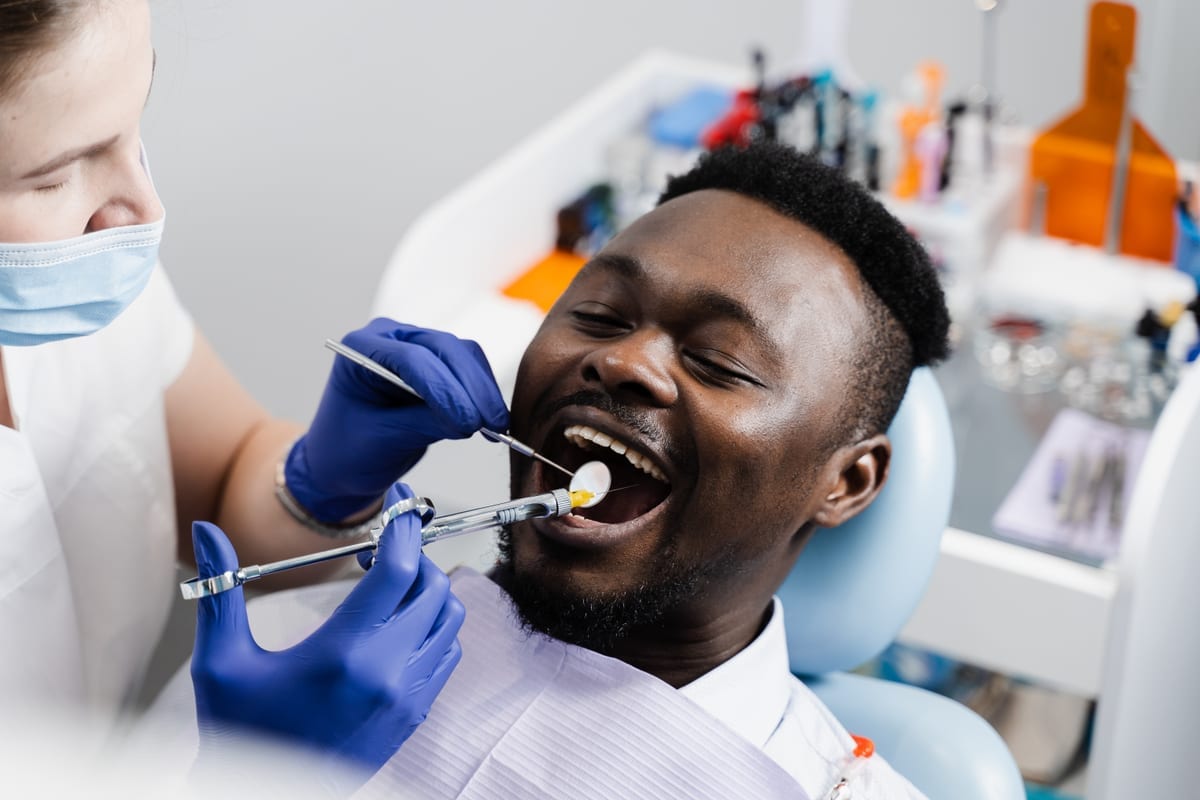
- Local anesthetic is applied to numb the treatment area completely
- Scaling removes hardened tartar deposits from tooth surfaces and below the gumline
- Root planing smooths the root surfaces to help gums reattach properly
- Antimicrobial rinse may be used to reduce bacteria in the pockets
- The team checks your comfort level throughout the entire procedure
The treatment may be completed in one visit or split into two appointments. Dr. Rask often divides the mouth into quadrants for patient comfort. Each session typically lasts 45 to 90 minutes. Most patients report mild sensitivity afterward, which fades within a few days.
Comfort is a top priority at Bespoke Dental Newnan. The team uses gentle techniques and checks in with you frequently. You can raise your hand at any point if you need a break. Patients often tell us the procedure was much easier than they expected.
Step Three: Managing Discomfort and Recovery After Treatment
After scaling and root planing, some tenderness is completely normal. Your gums may feel sore and sensitive for two to three days. Over-the-counter pain relievers like ibuprofen typically manage discomfort well. Soft foods and warm salt water rinses also help speed recovery.
Dr. Rask provides personalized aftercare instructions before you leave. These instructions are straightforward and easy to follow at home. Consistent home care during recovery makes a significant difference in your outcome. The more diligently you care for your gums, the faster they heal.
You should avoid certain habits during recovery, including:
- Smoking or using tobacco products
- Eating hard, crunchy, or sticky foods for the first few days
- Skipping brushing or flossing — gentle oral hygiene is still essential
- Missing follow-up appointments with Dr. Rask
Some patients also receive antibiotic therapy after scaling and root planing. This may come as a mouth rinse, pill, or small medication placed directly into the gum pockets. These options target bacteria that remain after the deep cleaning. Dr. Rask determines whether this step is appropriate for your specific case.
Step Four: Follow-Up Visits and Ongoing Periodontal Maintenance
Gum disease treatment does not end with scaling and root planing. Follow-up visits are a critical part of lasting success. Dr. Rask schedules a re-evaluation appointment roughly four to six weeks after your deep cleaning. This visit measures your healing progress and checks pocket depths again.
If your gums have responded well, you transition to a periodontal maintenance schedule. This typically means professional cleanings every three to four months. These visits differ from a standard prophylaxis cleaning. They include careful monitoring of your gum health at each appointment.
For some patients, more advanced treatment may be necessary. If pockets remain deep despite scaling and root planing, surgical options may be discussed. Dr. Rask will explain every option clearly and help you weigh the choices. You are always a partner in your own care at Bespoke Dental Newnan.
Patients sometimes ask about other dental treatments during their periodontal visits. For example, some wonder whether orthodontic options like Invisalign are appropriate while managing gum disease. Dr. Rask addresses these questions honestly and helps you plan the right sequence of care. Understanding Invisalign Costs may also factor into your broader dental planning down the road.
Why Early Treatment Makes All the Difference
Many Newnan patients put off gum disease treatment because they fear the process. The reality is that early intervention leads to simpler, less invasive care. Catching gum disease in the gingivitis stage often requires only improved home care and a professional cleaning. Waiting allows the infection to deepen and damage the supporting bone.
Untreated gum disease has also been linked to systemic health concerns. Research connects periodontal infection to heart disease, diabetes, and pregnancy complications. Treating gum disease is not just about saving your smile. It supports your overall health in meaningful ways.
Dr. Cindy Rask and the Bespoke Dental Newnan team are here to guide you through every stage with patience and expertise. No question is too small, and no concern goes unaddressed. You will always leave feeling informed and supported. That is the Bespoke Dental promise to every patient in the Newnan community.
Ready to take the first step toward healthier gums? Book Now to schedule your appointment with our team.
Frequently Asked Questions
Is gum disease treatment painful?
Most patients experience minimal discomfort during treatment because local anesthetic is used to numb the area. You may feel pressure or vibration, but sharp pain is uncommon. Mild soreness after the procedure is normal and typically resolves within a few days. Over-the-counter pain relievers and warm salt water rinses help manage post-treatment sensitivity effectively.
How many appointments does gum disease treatment require?
The number of appointments depends on the severity of your gum disease. Mild cases may be addressed in one or two visits, while more advanced periodontitis may require multiple sessions. Dr. Rask will outline your personalized treatment plan during your initial evaluation. Follow-up maintenance appointments are also scheduled to monitor your long-term gum health.
Will my gums fully recover after scaling and root planing?
Many patients experience significant improvement in gum health after deep cleaning. Pockets often shrink and gums reattach more firmly to tooth surfaces. However, results depend on the severity of disease and your commitment to home care. Consistent brushing, flossing, and professional maintenance visits are essential for lasting recovery.
Can I return to work after gum disease treatment?
Most patients return to normal activities the same day as their appointment. You may experience some tenderness and mild swelling for a day or two. Sticking to soft foods and avoiding vigorous physical activity right after treatment is recommended. Dr. Rask provides specific aftercare guidance tailored to your individual procedure.
How do I know if I have gum disease?
Common signs of gum disease include red, swollen, or bleeding gums, persistent bad breath, and gum recession. Some patients also notice loose teeth or increased sensitivity. However, gum disease can progress silently without obvious symptoms in some cases. Regular dental evaluations at Bespoke Dental Newnan are the most reliable way to catch and address gum disease early.