2201 Newnan Crossing Blvd Suite 202 Newnan, GA 30265


Tartar Buildup Cleaning in Newnan, GA
Most people in Newnan brush their teeth twice a day without fail. They floss. They use mouthwash. Yet their dentist still finds buildup at every visit. Understanding why your toothbrush can’t remove hardened tartar buildup in Newnan is the first step toward better oral health. Once plaque hardens into tartar, no amount of home brushing will remove it. Only a professional cleaning can.
What Is Tartar and Why Does It Harden?
Tartar — also called calculus — starts as plaque. Plaque is a soft, sticky film of bacteria that coats your teeth every single day. When plaque isn’t completely removed within 24 to 72 hours, minerals from your saliva begin to bind with it. That chemical process causes the plaque to calcify and harden into tartar.
Once tartar forms, it bonds directly to your tooth enamel. It becomes a rock-hard deposit that no toothbrush bristle can dislodge. It often appears yellow or brown along the gumline. Some patients develop it faster than others due to genetics, diet, or dry mouth.
Tartar also has a rough, porous surface. That texture makes it even easier for new plaque to stick and accumulate. So the longer tartar stays on your teeth, the worse the cycle gets. This is why regular professional cleanings matter — not just for aesthetics, but for your long-term health.
Why Your Toothbrush Simply Cannot Remove Hardened Tartar in Newnan
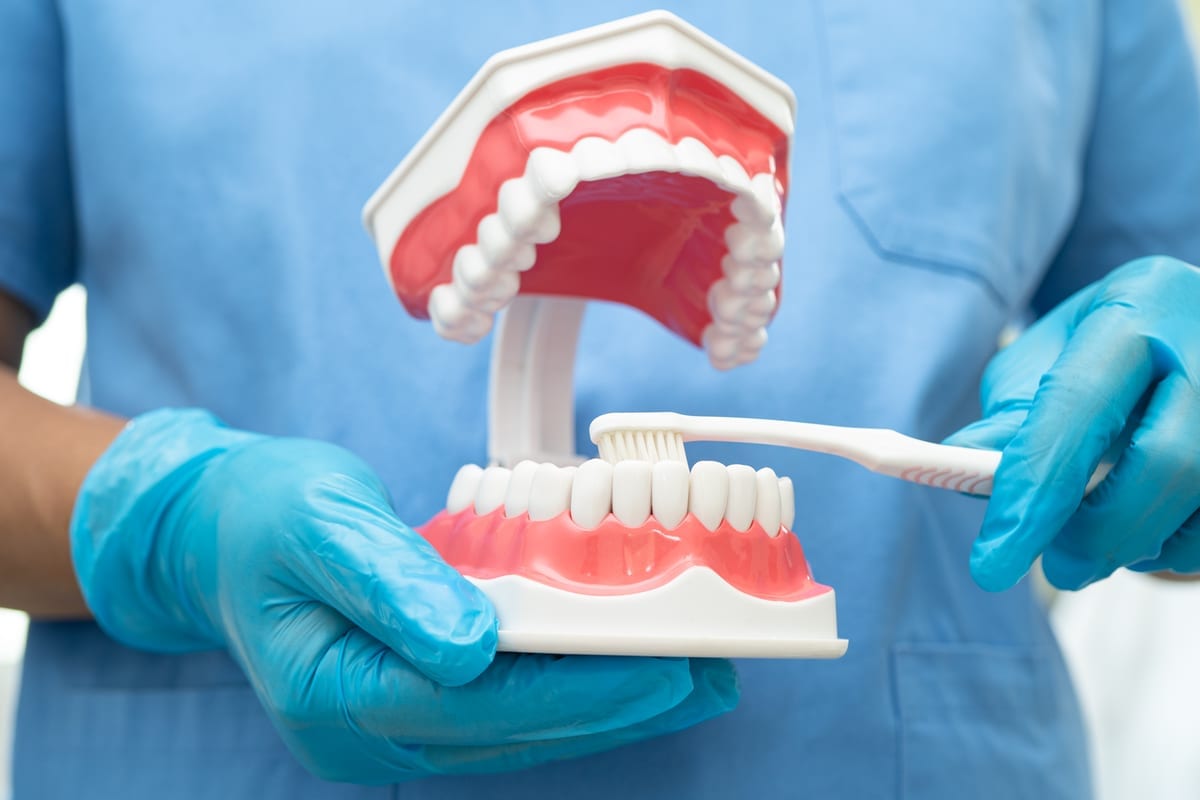
A toothbrush is designed to clean soft plaque from tooth surfaces. It works beautifully for that purpose. But hardened tartar requires a completely different approach. The bristles of even the best electric toothbrush lack the force and precision to scrape calcified deposits off enamel.
Think of it like trying to remove dried concrete from a countertop with a sponge. The sponge can clean the surface around it. But the concrete stays put until you use a proper tool. Tartar behaves the same way on your teeth.
Home oral care tools — including water flossers and interdental brushes — are excellent at preventing plaque from hardening in the first place. However, they offer no ability to remove tartar once it has already formed. That limitation is not a flaw in your routine. It is simply a boundary of what home care can do.
What a Professional Cleaning at Bespoke Dental Newnan Actually Removes
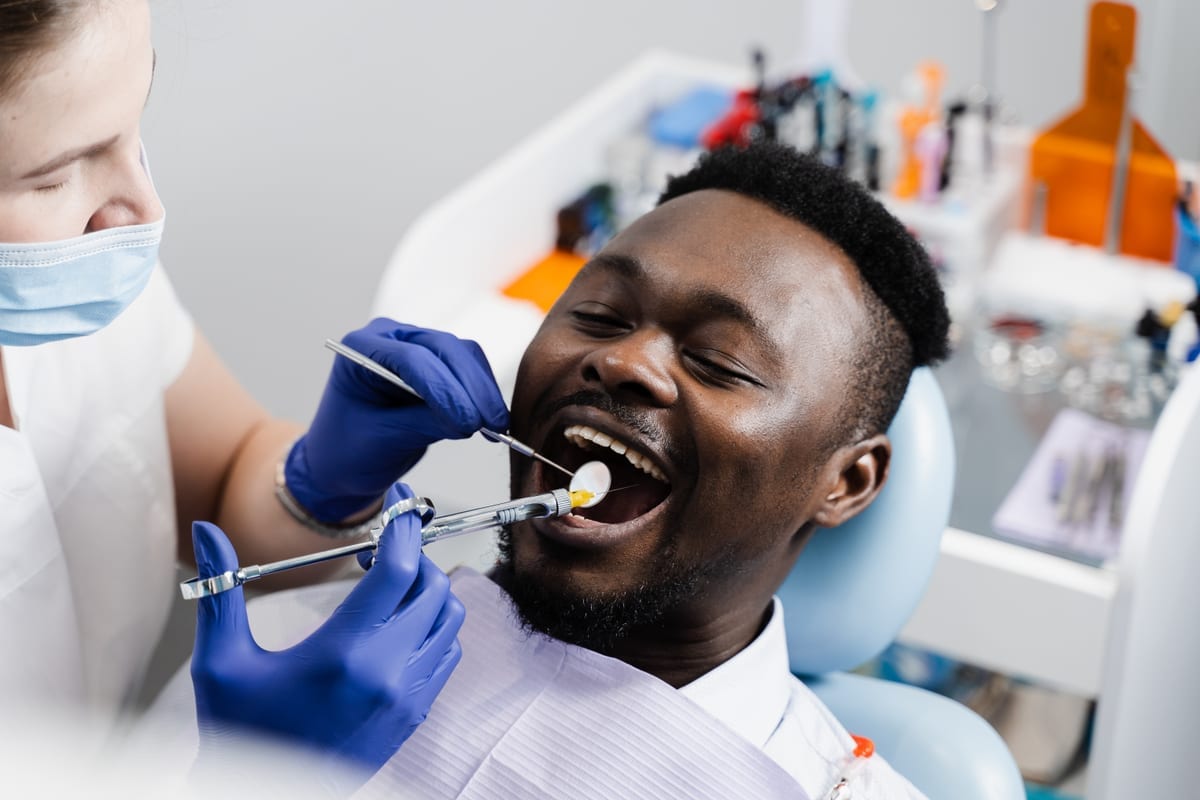
During a prophylaxis — a professional teeth cleaning — Dr. Cindy Rask and her team use specialized instruments to remove what home care leaves behind. These tools include ultrasonic scalers and hand scalers designed specifically to break apart and lift hardened tartar deposits.
Here is what a professional cleaning removes that brushing at home cannot:
- Subgingival tartar — buildup hiding beneath the gumline where brushing never reaches
- Supragingival tartar — hardened deposits visible along the upper gumline and between teeth
- Surface stains — discoloration from coffee, tea, and food that polishing removes
- Bacterial biofilm — deep accumulations of harmful bacteria embedded in calculus
- Early calculus bridges — small connecting deposits forming between adjacent teeth
After scaling, your hygienist uses a gritty prophy paste to polish the tooth surfaces. This removes residual staining and smooths enamel so plaque has a harder time sticking in the future. The entire process gives your mouth a reset that brushing simply cannot replicate.
How Tartar Buildup Leads to Serious Oral Health Problems
Tartar is not just cosmetically unpleasant. It is a direct driver of gum disease and tooth decay. The bacteria trapped inside tartar release acids and toxins constantly. Those toxins irritate and inflame your gum tissue over time.
This inflammation is the beginning of gingivitis. Left untreated, gingivitis progresses into periodontitis — a deeper infection that damages the bone and connective tissue supporting your teeth. Once bone loss occurs, it cannot fully regenerate without intervention. That is a serious consequence of allowing tartar to go unaddressed.
Cavities are also more likely to develop around tartar deposits. The bacteria in tartar produce acid that erodes enamel directly. Patients who skip regular cleanings often find they need more extensive restorative work down the road. Preventing that outcome starts with understanding what professional cleaning actually does.
Patients dealing with active gum disease at Bespoke Dental Newnan may require a deeper cleaning procedure called scaling and root planing. This goes beyond a standard prophylaxis to treat infection below the gumline. Early intervention through regular cleanings is always the better path.
How Often Should Newnan Patients Get a Professional Cleaning?
Most patients benefit from a professional cleaning every six months. However, some individuals build tartar more rapidly than others. Your genetics, saliva chemistry, and diet all influence how quickly calculus forms. Dr. Cindy Rask evaluates each patient individually to recommend the right schedule.
Here is a simple overview of what your cleaning visit at Bespoke Dental Newnan typically includes:
- Medical and dental history review — checking for changes since your last visit
- Oral examination — Dr. Rask checks for cavities, gum health, and any concerns
- Scaling — removal of all tartar and plaque above and below the gumline
- Polishing — smoothing tooth surfaces and removing surface stains
- Flossing and rinsing — clearing debris and leaving your mouth feeling fresh
- Personalized home care guidance — tips tailored to your specific oral health needs
Patients in Newnan who have not had a cleaning in more than a year may need additional time at their first visit. That is completely normal. The important thing is returning to a consistent schedule going forward.
The Right Home Routine Still Matters
Professional cleanings do not replace daily brushing and flossing — they work together with them. Your home routine prevents soft plaque from hardening between appointments. The better your daily habits, the less tartar accumulates before your next visit.
Use a soft-bristled toothbrush and fluoride toothpaste. Brush for two full minutes twice a day. Floss at least once daily to remove plaque from between teeth where your brush cannot reach. These habits will not remove existing tartar, but they dramatically slow its formation.
Some patients at Bespoke Dental Newnan ask about other treatments to improve their smile alongside routine care. If you are exploring orthodontic options, you can learn about Invisalign at our practice or review details on Invisalign Costs to understand what that investment looks like. A clean, tartar-free mouth also creates the healthiest foundation for any cosmetic or orthodontic work you may be considering.
The bottom line is simple. Brushing and flossing are essential daily habits. But they will never replace what a trained hygienist and the right instruments accomplish at your professional cleaning appointment. Both play a role — and neither can fully substitute for the other.
Schedule Your Professional Cleaning at Bespoke Dental Newnan
Dr. Cindy Rask and the team at Bespoke Dental Newnan are here to help you maintain a healthy, clean smile for life. If it has been more than six months since your last cleaning — or if you have never had tartar professionally removed — now is a great time to act. Book Now to schedule your appointment with our team.
Frequently Asked Questions
Can tartar be removed at home with special toothpaste?
Tartar-control toothpastes can slow the rate at which new tartar forms. However, they cannot remove tartar that has already hardened onto your teeth. Only professional dental instruments used by a trained hygienist can physically remove calcified deposits. Using a tartar-control toothpaste between visits is helpful, but it is not a substitute for professional cleaning.
How long does it take for plaque to turn into tartar?
Plaque can begin hardening into tartar in as little as 24 to 72 hours if it is not adequately removed. This is why daily brushing and flossing are so important — they disrupt plaque before it has a chance to calcify. Some individuals calcify plaque faster than others due to their saliva chemistry and genetics.
Is tartar buildup a sign of poor oral hygiene?
Not always. Even patients with excellent brushing habits develop some tartar over time. Genetics, diet, dry mouth, and the natural mineral content of your saliva all influence how quickly tartar accumulates. Regular professional cleanings are necessary for everyone, regardless of how diligent their home routine is.
What happens if tartar is never removed?
Tartar that is never removed continues to accumulate and harbor harmful bacteria. Over time, this leads to gum inflammation, gingivitis, and eventually periodontitis — a serious infection that can cause bone loss and tooth loss. Regular cleanings prevent this progression and protect your long-term oral health.
How do I know if I have tartar buildup on my teeth?
Tartar often appears as a yellow or brown deposit along the gumline, especially on the inside surfaces of the lower front teeth. Some patients can feel rough, crusty spots with their tongue. However, subgingival tartar — the kind hidden below the gumline — is invisible without a dental examination. Regular checkups help detect and remove buildup before it causes harm.