2201 Newnan Crossing Blvd Suite 202 Newnan, GA 30265

Restorative Dental Recovery Guide in Newnan, GA
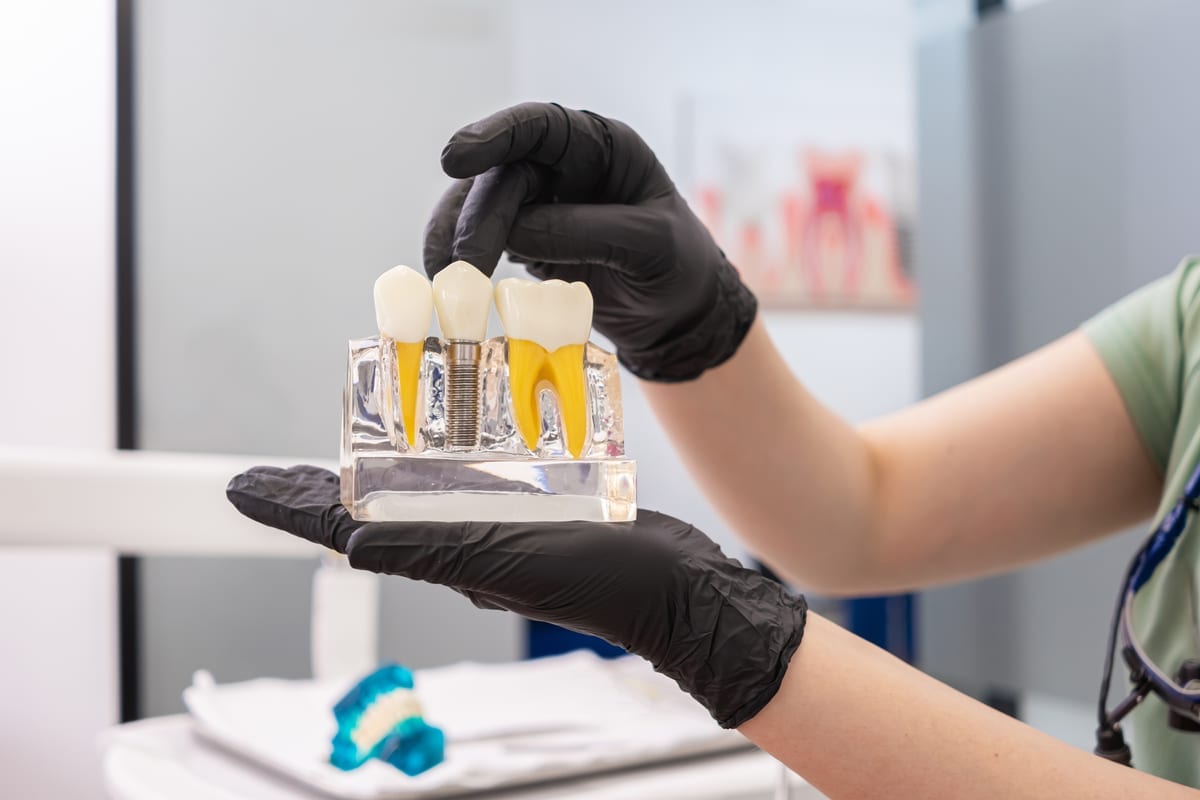
Knowing what to expect after your restorative dental treatment can make a big difference in your recovery. Whether you had a dental implant, a crown, or a tooth extraction, the days that follow matter. At Bespoke Dental Newnan, Dr. Cindy Rask wants every patient to heal comfortably and confidently. This recovery guide for Newnan patients covers everything you need to know — from day one through full healing.
Your Recovery Timeline After Restorative Dental Treatment in Newnan
Every restorative procedure comes with its own healing window. Understanding that timeline helps you plan your week and avoid unnecessary worry. Most patients experience the bulk of their discomfort within the first 48 to 72 hours. After that, swelling and soreness typically begin to fade steadily.
Here is a general timeline based on common restorative treatments:
- Day 1–2: Swelling and tenderness are most intense. Rest as much as possible.
- Day 3–4: Discomfort begins to ease. Bruising may appear but is normal.
- Day 5–7: Most soft tissue healing is underway. Energy levels return.
- Week 2 and beyond: Full healing continues beneath the surface, especially for implants.
Dental implants take longer to fully integrate with your jawbone — often three to six months. Crowns and fillings typically feel normal within one to two weeks. Dr. Rask will give you a personalized timeline based on your specific treatment.
What to Eat and Drink During Your Recovery
Diet plays a huge role in how quickly you heal. The wrong foods can irritate sensitive tissue or damage your restoration. Sticking to soft, nourishing foods in the first few days gives your mouth the best chance to recover smoothly.
Foods that are safe and soothing after restorative treatment include:
- Mashed potatoes and soft-cooked vegetables
- Yogurt, pudding, and smoothies
- Scrambled eggs and soft fish
- Oatmeal, soft pasta, and soup broth
- Bananas and applesauce
Avoid hard, crunchy, or chewy foods during the early recovery phase. Stay away from popcorn, nuts, raw carrots, and sticky candies. Hot beverages can increase swelling, so drink lukewarm or cool fluids instead. Straws should be avoided after extractions, as suction can disturb the healing clot.
Alcohol and tobacco slow the healing process significantly. If you smoke, try to avoid it during recovery — even for just the first few days. Hydration is also important, so drink plenty of water throughout the day.
Managing Pain and Discomfort After Treatment in Newnan
Some level of discomfort after restorative work is completely normal. Your body is healing, and that process takes energy and time. The good news is that pain is usually manageable with a few simple strategies.
Dr. Rask recommends these pain management approaches for most patients:
- Take over-the-counter pain relievers like ibuprofen or acetaminophen as directed
- Apply a cold compress to the outside of your cheek for 15 minutes on, 15 minutes off
- Avoid chewing on the treated side until the area feels stable
- Sleep with your head slightly elevated to reduce overnight swelling
- Rinse gently with warm salt water after 24 hours to keep the area clean
If Dr. Rask prescribed medication, take it exactly as instructed. Do not skip doses just because you feel better. Staying ahead of pain is much easier than trying to manage it after it peaks. If over-the-counter options are not providing relief, contact our Newnan office right away.
Warning Signs: When to Call Our Office
Most recoveries go smoothly, but it is important to know when something may need attention. Catching a complication early leads to a faster and easier resolution. Do not hesitate to reach out to Bespoke Dental Newnan if anything concerns you.
Contact our office promptly if you experience any of the following:
- Severe or worsening pain that does not respond to medication
- Swelling that increases after the third day instead of decreasing
- Bleeding that does not slow or stop with gentle pressure
- A fever above 101°F, which may indicate infection
- A bad taste or smell coming from the treatment site
- A loose crown, broken restoration, or a dental implant that feels unstable
These symptoms do not always mean something is seriously wrong, but they should be evaluated promptly. In some cases, patients may need Emergency Dentistry to address an unexpected complication. Our team is here to help you feel safe and supported throughout your recovery journey.
Long-Term Care After Your Restorative Work
Once the initial recovery phase is over, protecting your restoration becomes the priority. Good daily habits will keep your new crown, implant, or filling in excellent shape for years. Think of this phase as the maintenance chapter of your recovery.
Brush gently twice a day with a soft-bristled toothbrush. Floss carefully around any crowns or implants, using a floss threader if needed. Avoid grinding your teeth — if you clench at night, ask Dr. Rask about a custom night guard. Attending your regular checkups allows us to monitor your restoration and catch any concerns early.
If you had a tooth whitening treatment as part of your cosmetic restoration plan, follow the aftercare instructions closely. Proper maintenance will help your results last longer. You can learn more about keeping your smile bright by exploring our Teeth Whitening aftercare recommendations. Protecting your investment starts with simple, consistent daily care.
Your Recovery Partner in Newnan, GA
At Bespoke Dental Newnan, we believe recovery should never feel like something you face alone. Dr. Cindy Rask and our entire team are committed to supporting you every step of the way. We want your restorative treatment to lead to lasting comfort, confidence, and oral health. If you have any questions during your recovery, please do not hesitate to reach out to us.
Whether you are a few days post-procedure or just planning ahead, we are here to guide you. Our Newnan practice is dedicated to patient education and compassionate, personalized care. Book Now to schedule your appointment with our team.
Frequently Asked Questions
How long does recovery take after restorative dental treatment?
Recovery time depends on the type of treatment. Fillings and crowns often feel normal within one to two weeks. Dental implants require several months for full bone integration. Dr. Rask will give you a specific timeline at your appointment.
Is it normal to feel pain after a dental crown or filling?
Yes, some sensitivity and soreness after a crown or filling is expected. It usually fades within a few days to a week. If pain worsens or lasts beyond two weeks, contact our Newnan office so we can evaluate the area.
What foods should I avoid after restorative dental work?
Avoid hard, crunchy, sticky, or very hot foods during the early recovery period. Foods like popcorn, nuts, chewy candy, and raw vegetables can damage a new restoration or irritate the healing tissue. Stick to soft, gentle foods for the first several days.
When should I be concerned about swelling after treatment?
Mild swelling is normal in the first two to three days. If swelling increases after day three, or is accompanied by fever or increased pain, contact Bespoke Dental Newnan promptly. These signs may indicate an infection that needs early treatment.
Can I brush my teeth normally after restorative treatment?
You can brush gently the day after most restorative procedures, but avoid the treatment site for the first day or two. Use a soft-bristled toothbrush and be gentle around any crowns, implants, or extraction sites. Resume your full routine gradually as the area heals.