2201 Newnan Crossing Blvd Suite 202 Newnan, GA 30265


Why Your Teeth Whitening Might Not Work—And What Will
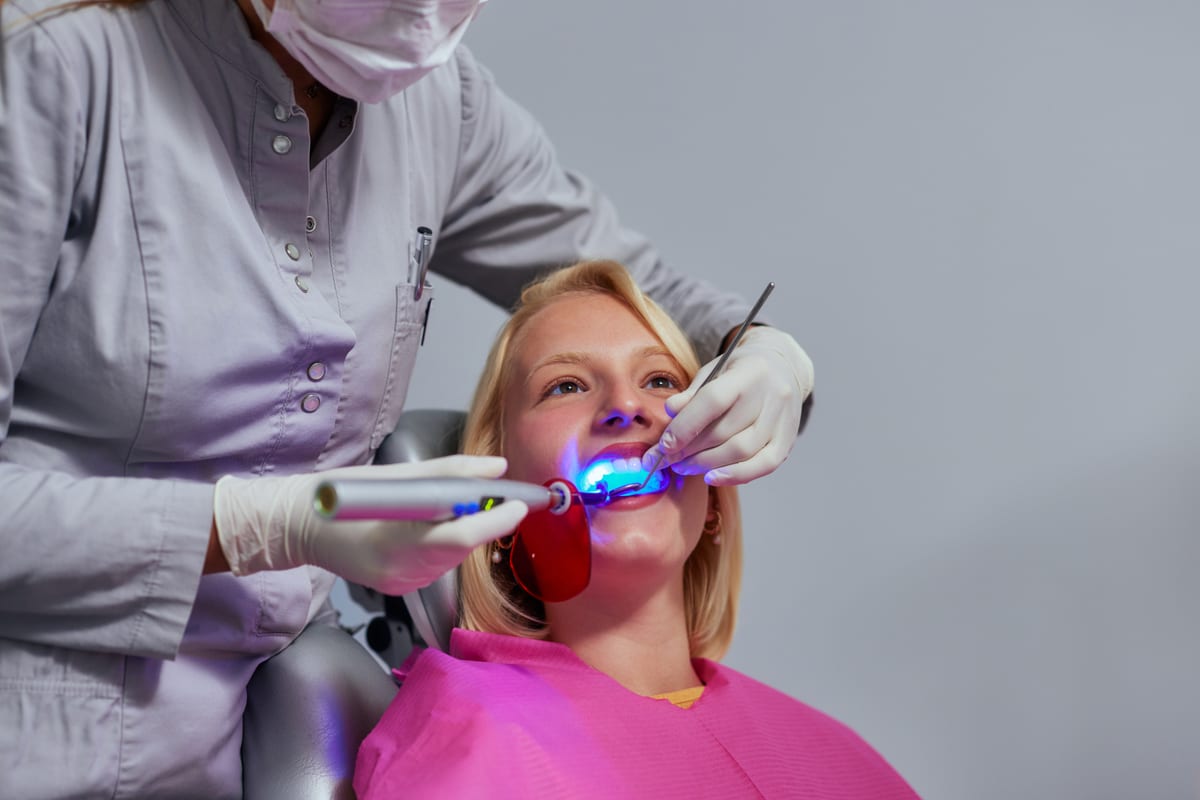
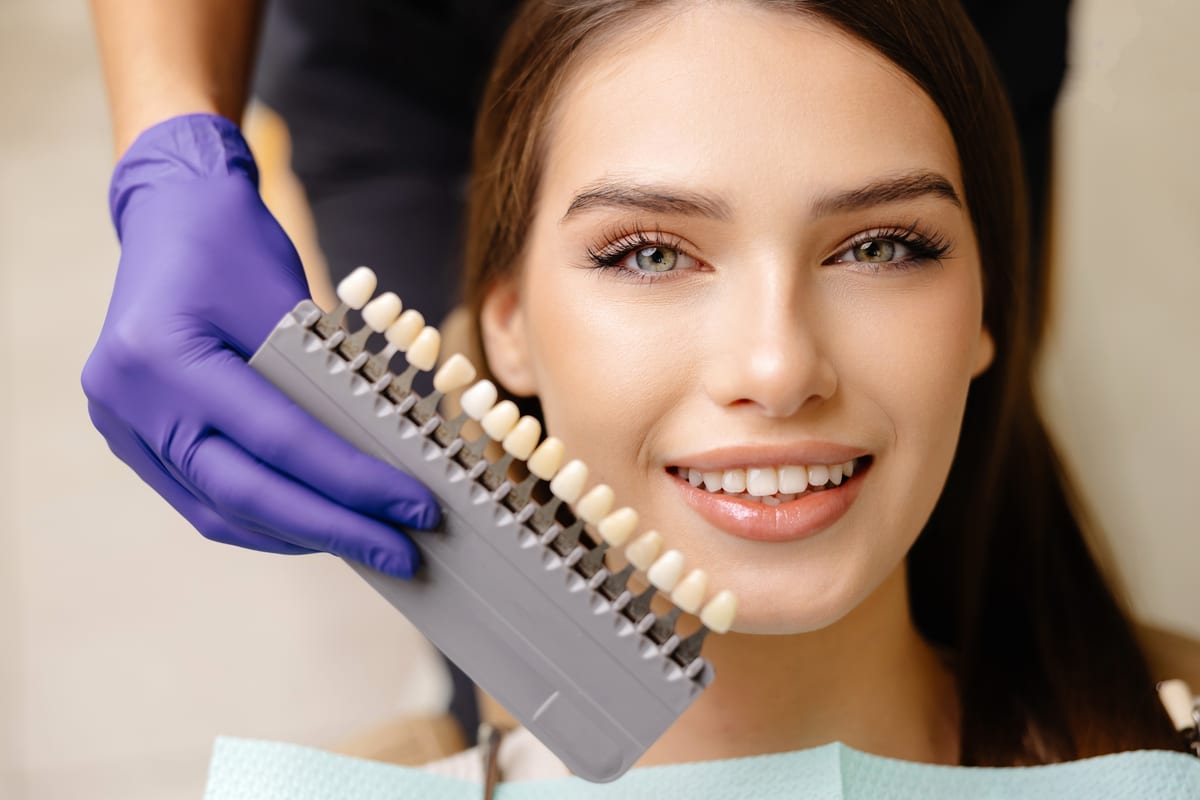
You have tried every whitening strip on the market. You may have even done an in-office treatment. Yet your smile still looks dull or discolored. If you are wondering why your teeth whitening might not work — and what will in Newnan — the answer often comes down to one thing: the type of stain you have. Not all discoloration responds the same way. Understanding the difference can save you time, money, and frustration.
Extrinsic vs. Intrinsic Stains: Why the Difference Matters in Newnan
Dental stains fall into two main categories. Extrinsic stains live on the outer surface of your enamel. Intrinsic stains originate inside the tooth itself, deep within the dentin layer. Whitening products — whether over-the-counter or professional — work by using peroxide to bleach the enamel surface. That process works beautifully on extrinsic stains. It has little to no effect on intrinsic discoloration.
This is the most common reason patients in Newnan feel let down by whitening treatments. They are using the right product for the wrong type of stain. Once you identify which type you have, your dentist can guide you toward a solution that actually works.
What Causes Extrinsic Stains — And How Whitening Helps
Extrinsic stains develop from things that contact your teeth every day. They are surface-level and respond well to bleaching agents. Common culprits include coffee, tea, red wine, and tobacco. Even certain sauces and berries can leave residue on enamel over time.
Here are the most common sources of extrinsic staining:
- Coffee and tea consumed daily
- Red wine and dark juices
- Tobacco products — smoked or chewed
- Dark-colored sauces like soy or tomato
- Poor oral hygiene allowing plaque buildup
Professional whitening treatments work exceptionally well on these stains. In-office bleaching with a higher-concentration peroxide gel can lift years of surface staining in a single appointment. Take-home trays from your dentist also produce strong results. The key is consistent use and starting with a clean, healthy mouth.
Before whitening, Dr. Cindy Rask always recommends a thorough teeth cleaning. Plaque and tartar on the surface block the bleaching agent from reaching enamel evenly. Skipping that step is another common reason whitening results disappoint.
What Causes Intrinsic Stains — And Why Whitening Falls Short
Intrinsic stains are a different challenge entirely. They originate inside the tooth structure and cannot be bleached away from the outside. No amount of whitening strips or professional bleaching will move them. Understanding what causes them helps patients set realistic expectations.
Common causes of intrinsic discoloration include:
- Tetracycline antibiotic use during childhood tooth development
- Excessive fluoride exposure during enamel formation (fluorosis)
- Trauma to a tooth that causes internal bleeding or nerve death
- Aging — dentin naturally darkens and enamel thins over time
- Certain medications taken during pregnancy affecting developing teeth
- Genetic conditions that affect enamel or dentin formation
Tetracycline staining is one of the most stubborn forms of intrinsic discoloration. It creates gray or brown banding across the teeth that resists even the strongest bleaching agents. Patients with this type of staining often feel confused when whitening does not work — and now you know why.
Alternatives That Actually Work for Difficult Stains
The good news is that intrinsic stains are not a dead end. Several cosmetic and restorative options can mask or correct discoloration that whitening cannot touch. At Bespoke Dental Newnan, Dr. Rask evaluates each patient individually to recommend the most effective solution.
Dental veneers are one of the most popular alternatives. These thin porcelain shells bond to the front surface of your teeth. They completely cover discoloration — whether intrinsic or extrinsic — and create a uniform, bright smile. Veneers also resist future staining better than natural enamel.
Dental bonding is a more affordable option for mild intrinsic staining. A tooth-colored composite resin is applied directly to the tooth surface. It covers discoloration and blends with surrounding teeth. Bonding typically lasts several years with proper care.
For a single darkened tooth — often caused by trauma or a past root canal — an internal bleaching technique or a dental crown may be recommended. Internal bleaching places the whitening agent inside the tooth itself. This approach targets the source of the stain rather than the surface.
In cases where gum health is affecting the appearance of your teeth, addressing that first is essential. Receding gums can expose darker root surfaces that look like staining. Gum Disease Treatment Newnan can improve both the health and appearance of your smile before any cosmetic work begins.
When to See Dr. Cindy Rask About Whitening That Is Not Working
If you have tried whitening products for several weeks without results, it is time to get a professional opinion. Guessing at the cause of your discoloration leads to wasted effort and expense. A dental exam can quickly identify whether your staining is extrinsic, intrinsic, or a combination of both.
Some discoloration also signals underlying dental health issues. A tooth that has darkened suddenly may indicate nerve damage or infection. That is not a cosmetic problem — it is a clinical one. In urgent situations, our team also provides Emergency Dentistry Newnan to address acute concerns quickly and comfortably.
Dr. Rask takes a thorough, educational approach with every patient. She explains what type of staining you have, why your current approach may not be working, and which options will deliver real results for your specific situation. No guesswork — just a clear, personalized plan.
Patients across Newnan, GA trust Bespoke Dental because we focus on solutions that match your actual needs. Whether that means professional whitening, veneers, bonding, or another approach entirely — we help you make an informed decision. Book Now to schedule your appointment with our team.
Frequently Asked Questions
Why is my teeth whitening not working even after multiple treatments?
The most likely reason is that you have intrinsic staining rather than extrinsic staining. Whitening products only bleach the outer enamel surface. If the discoloration originates inside the tooth — from antibiotics, trauma, or aging — bleaching agents cannot reach it. A dental exam with Dr. Cindy Rask at Bespoke Dental Newnan can identify the type of stain and recommend the right treatment.
Can veneers fix stains that whitening cannot?
Yes. Porcelain veneers are one of the most effective solutions for intrinsic staining that does not respond to whitening. They cover the front surface of the tooth completely, masking any discoloration underneath. Veneers also provide a durable, stain-resistant surface that maintains brightness longer than natural enamel.
Is professional whitening stronger than over-the-counter products?
Yes, significantly. Professional whitening treatments use higher concentrations of peroxide than anything available over the counter. They also include custom-fitted trays or protective measures that improve contact with the tooth surface. For extrinsic staining, professional whitening produces faster and more dramatic results than store-bought strips or gels.
Can a single dark tooth be whitened?
A single darkened tooth is often the result of internal trauma, nerve damage, or a past root canal — not surface staining. Standard whitening will not help in these cases. A technique called internal bleaching or a dental crown may be more appropriate. Dr. Rask will assess the cause during your exam and explain which option fits your situation.
How do I know if I have extrinsic or intrinsic staining?
A dental professional can determine this during a routine exam. Generally, if staining appeared gradually from diet or lifestyle habits and responds somewhat to whitening, it is likely extrinsic. If the discoloration is deep-set, grayish, or banded — and has not changed with whitening — it is more likely intrinsic. Booking a consultation at Bespoke Dental Newnan is the fastest way to get a clear answer.