2201 Newnan Crossing Blvd Suite 202 Newnan, GA 30265


Your New Veneers: The Daily Habits That Keep Them Flawless
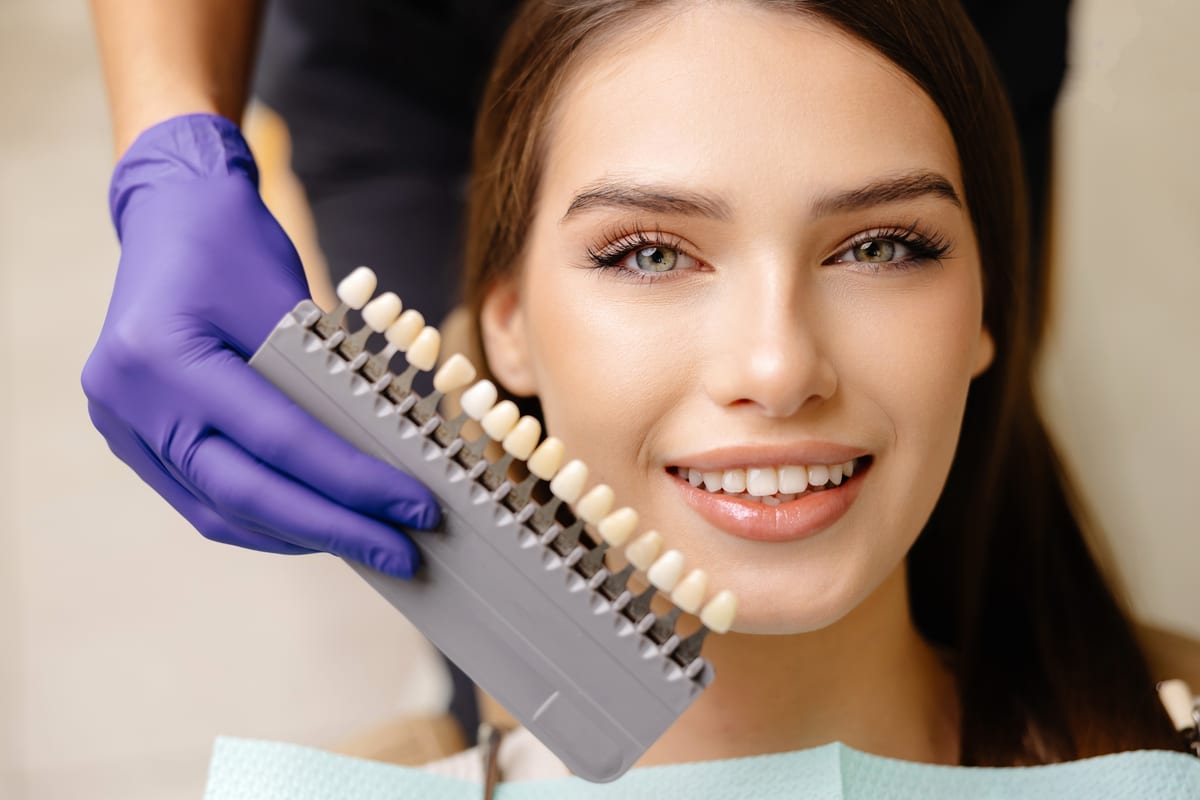
Getting porcelain veneers is an exciting milestone. Your smile looks brighter, more even, and completely transformed. But the work does not stop at the dental chair. Your new veneers need daily habits that keep them flawless in Newnan’s busy lifestyle. With the right care routine, your veneers can look stunning for 10 to 15 years or longer.
At Bespoke Dental Newnan, Dr. Cindy Rask helps patients protect their investment every single day. This guide covers exactly what to do, what to avoid, and which products actually help.
Daily Cleaning Habits That Protect Your Veneers
Veneers resist stains better than natural enamel, but they are not invincible. A consistent daily cleaning routine makes all the difference. Brush twice a day using a soft-bristled toothbrush. Hard bristles can scratch the porcelain surface over time.
Choose a non-abrasive toothpaste for your veneers. Many whitening toothpastes contain abrasive particles that dull the porcelain finish. Look for products labeled gentle or low-abrasion. Your dental team at Bespoke Dental Newnan can recommend specific brands that work best.
Flossing once daily is equally important. Food and bacteria still collect along the gum line near your veneers. Skipping floss leads to gum disease, which can compromise the bond holding your veneers in place. Make flossing a non-negotiable part of your evening routine.
- Use a soft-bristled toothbrush every morning and evening
- Choose a non-abrasive, fluoride toothpaste
- Floss gently along the gum line each night
- Rinse with an alcohol-free mouthwash to avoid drying the bonding resin
- Use a water flosser as a helpful addition, not a replacement for flossing
Foods and Drinks to Avoid for Flawless Veneers in Newnan
What you eat and drink directly impacts your veneer longevity. Some foods and beverages are surprisingly damaging. Knowing the risks helps you make smarter daily choices without giving up everything you love.
Staining drinks are a top concern. Coffee, red wine, dark teas, and cola can gradually discolor the bonding resin at the edges of your veneers. Porcelain itself resists staining well, but the edges are more vulnerable. Drink staining beverages through a straw when possible.
Hard and crunchy foods pose a physical risk. Biting into ice, hard candies, or whole nuts can chip or crack porcelain. Veneers are strong, but they are not indestructible. Cut hard fruits and vegetables into smaller pieces before eating them.
Avoid these habits and foods to protect your veneers:
- Biting fingernails or chewing on pen caps
- Eating hard candies, ice cubes, or popcorn kernels
- Chewing with your front teeth on crusty bread or ribs
- Grinding your teeth without wearing a nightguard
- Drinking excessive amounts of highly acidic juices without rinsing afterward
Acidic foods like citrus fruits and vinegar-based dressings can also weaken the bonding agent over time. You do not need to eliminate them entirely. Simply rinse your mouth with water after eating acidic foods. This simple step neutralizes acid and protects both your veneers and natural teeth.
Habits That Silently Damage Your Veneers
Some damaging habits are easy to overlook because they feel harmless. Nail biting is one of the most common offenders. The repetitive pressure chips porcelain gradually. Breaking this habit protects both your veneers and your gum health.
Teeth grinding, called bruxism, is another serious risk. Many people grind their teeth during sleep without realizing it. This puts enormous stress on porcelain veneers and can cause them to crack or loosen. Dr. Cindy Rask often recommends a custom nightguard for veneer patients who grind.
Using your teeth as tools is equally damaging. Opening packages, tearing tape, or biting thread may seem minor. But each action risks chipping the porcelain edge. Keep scissors nearby and let your veneers stay where they belong — in your smile.
If you ever notice a chip, crack, or loose veneer, do not wait. Prompt attention prevents further damage. Think of it like any other dental concern that needs quick evaluation. Dental issues left untreated tend to escalate quickly.
Professional Maintenance: Your Most Important Veneer Habit
Home care is essential, but professional maintenance is equally critical. Regular dental visits keep your veneers looking their best for years. Dr. Cindy Rask recommends checkup appointments every six months for most veneer patients.
During these visits, the hygiene team polishes your veneers with specially formulated paste. This removes surface build-up without scratching the porcelain. Your dentist also checks the bonding integrity and looks for any early signs of wear or damage. Catching problems early saves you time and money.
Professional Teeth Whitening Newnan treatments can refresh the appearance of your natural teeth to match your veneers. As surrounding teeth naturally darken over time, a whitening treatment keeps everything looking cohesive. Ask Dr. Rask whether a professional whitening treatment fits your current care plan.
X-rays taken during routine visits also monitor the teeth beneath your veneers. The underlying tooth structure still needs protection. Decay beneath a veneer can compromise the entire restoration. Staying current on your cleanings is the single best habit you can build.
When to Call Your Dentist About Your Veneers
Knowing when to seek help is part of smart veneer care. Some situations need prompt attention rather than a routine appointment. Do not ignore sudden sensitivity, visible cracks, or a veneer that feels loose.
Sensitivity after veneer placement is normal for the first few weeks. But sensitivity that develops months later may signal an issue with the underlying tooth. Contact Bespoke Dental Newnan promptly if sensitivity appears unexpectedly.
If a veneer fully detaches, keep it safe and call the office right away. In some cases, the veneer can be re-bonded. Acting quickly gives you the best chance of saving the original restoration. The team at Bespoke Dental Newnan is ready to help you protect your smile at every stage.
Taking care of your veneers is truly about building smart daily habits. Small consistent choices add up to a smile that stays beautiful for years. Dr. Cindy Rask and the entire Bespoke Dental Newnan team are here to support your veneer journey every step of the way. Book Now to schedule your appointment with our team.
Frequently Asked Questions
How long do porcelain veneers last with proper care?
With consistent daily care and regular professional maintenance, porcelain veneers typically last between 10 and 15 years. Some patients enjoy their veneers for even longer. Avoiding hard foods, wearing a nightguard if needed, and attending regular checkups are the most important factors in veneer longevity.
Can I whiten my veneers at home if they look dull?
Over-the-counter whitening products do not change the color of porcelain veneers. The porcelain is already a set shade chosen during your treatment. However, professional cleaning visits can remove surface build-up that makes veneers appear dull. Ask Dr. Cindy Rask about the best options for refreshing your veneer appearance.
Do veneers require a special toothpaste?
Yes, choosing the right toothpaste matters. Avoid highly abrasive whitening toothpastes, as they can scratch the porcelain surface over time. Use a gentle, non-abrasive fluoride toothpaste instead. The team at Bespoke Dental Newnan can point you toward specific products that work well for veneer care.
What should I do if my veneer chips or falls off?
Keep the veneer safe and contact Bespoke Dental Newnan as soon as possible. Do not try to reattach it at home. In some cases, the veneer can be re-bonded if the damage is minor. Acting quickly gives your dentist the best chance of restoring your smile without needing a full replacement.
Is a nightguard really necessary if I have veneers?
If you grind or clench your teeth during sleep, a custom nightguard is strongly recommended. Teeth grinding puts significant pressure on porcelain and can cause chipping or cracking over time. Dr. Cindy Rask will evaluate your bite during checkup visits and advise whether a nightguard would protect your veneers.